
 English
 Chinese (Simplified)
 Indonesian
 Japanese
by admin
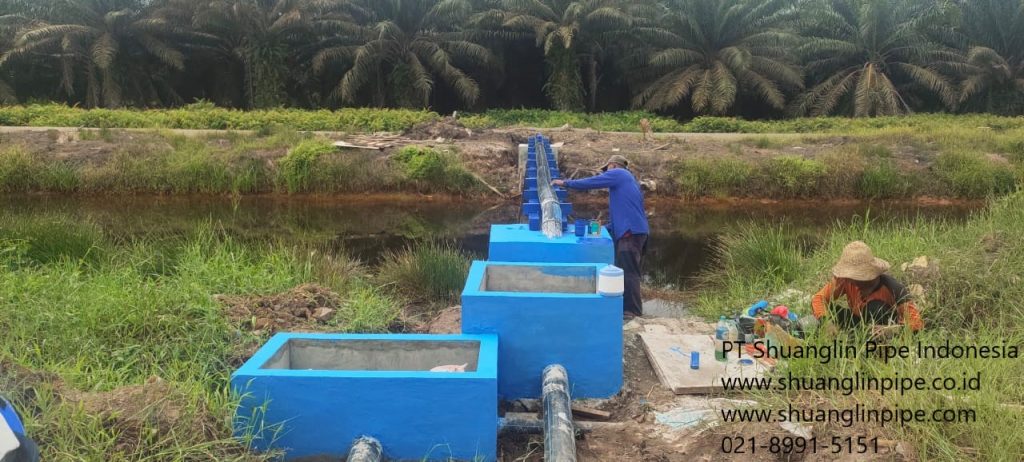
HDPE HDPE SOLID WALL OD50 PN10, OD110 PN 10 FOR WATER SUPPLY AND CABLE PROTECTOR OF SOLAR PANEL
HDPE HDPE SOLID WALL OD50 PN10, OD110 PN 10 FOR WATER SUPPLY AND CABLE PROTECTOR OF SOLAR PANEL


HDPE HDPE SOLID WALL OD50 PN10, OD110 PN 10 FOR WATER SUPPLY AND CABLE PROTECTOR OF SOLAR PANEL
Sjoerd Jansma, René Hermkens
# 2021 Amsterdam
More than 20,000 km of rigid PVC (or PVC-U) pipes are currently in use for the distribution of natural gas in the Netherlands. In this decade, the majority of these pipes will reach their initially specified lifespan of 50 years. In the light of a possible replacement surge, it is increasingly important to identify the actual material quality of these pipes.
To gain an insight into the remaining quality of the PVC-U pipes in the Dutch gas distribution grid, an Exit Assessment program was initiated in 2004. This program determines the quality of existing PVC-U material by measuring the brittle-to-ductile transition temperature of the excavated pipes with the tensile impact test [1,2]. The ultimate goal for Dutch Distribution System Operators (DSOs) is to assess the remaining quality in the field using non-destructive techniques, without the need to remove pipe segments.
This paper provides an insight into the correlation between spectrophotometric measurements and hardness measurements of the ductility of PVC pipes, revealing the usefulness of these non-destructive techniques for determining the quality of PVC pipes.
Sjoerd Jansma, René Hermkens
# 2021 Amsterdam
More than 20,000 km of rigid PVC (or PVC-U) pipes are currently in use for the distribution of natural gas in the Netherlands. In this decade, the majority of these pipes will reach their initially specified lifespan of 50 years. In the light of a possible replacement surge, it is increasingly important to identify the actual material quality of these pipes.
To gain an insight into the remaining quality of the PVC-U pipes in the Dutch gas distribution grid, an Exit Assessment program was initiated in 2004. This program determines the quality of existing PVC-U material by measuring the brittle-to-ductile transition temperature of the excavated pipes with the tensile impact test [1,2]. The ultimate goal for Dutch Distribution System Operators (DSOs) is to assess the remaining quality in the field using non-destructive techniques, without the need to remove pipe segments.
This paper provides an insight into the correlation between spectrophotometric measurements and hardness measurements of the ductility of PVC pipes, revealing the usefulness of these non-destructive techniques for determining the quality of PVC pipes.
https://www.pe100plus.com/PPCA/FINDING-THE-RELATIONSHIP-BETWEEN-NON-DESTRUCTIVE-TEST-METHODS-AND-THE-TENSILE-IMPACT-TEST-ON-PVC-PIPES-p1799.html
Drew Mueller, Peter Dyke
# 2021 Amsterdam
HDPE Pipe holds a dominant position in several markets in North America: natural gas distribution, oil patch, mining, landfill and geothermal. So why are polyethylene’s municipal water and wastewater market shares so much lower than these other industries? How has the polyethylene industry been successful in growing HDPE’s market share in municipal water and wastewater? In North America, PE industry leaders joined forces to create a trade association with the singular mission of promoting HDPE pipe into municipal markets where the traditional metals have a strong presence. In the last nine years, PE’s market share in municipal water and wastewater has grown from two percent to ten percent of this industry. In that time, the industry’s approach to municipal business has matured thanks to an examination of successes and failures; polyethylene manufacturers and distributers now know how to connect with municipal leadership, what messages are most compelling, what common hurdles the new polyethylene user must overcome, and how to battle the heavy resistance put up by entrenched, legacy pipe products. An examination of the history of plastic pipe, coupled with a thorough exploration of the five phases of municipal adoption will shed light on why polyethylene appears to be a late bloomer when it comes to municipal use of plastic piping materials. By fully understanding how HDPE fits in to the evolution of piping materials most US cities find themselves entrenched in, the experienced HDPE manufacturer or distributer will be better prepared to target specific municipalities with strategies that complement that particular community’s infrastructure history and needs. Perhaps other geographic markets could benefit from the trials and the maturation of this North America’s trade association.
https://www.pe100plus.com/PPCA/A-TRADE-ASSOCIATION-EXPLORED-p1808.html
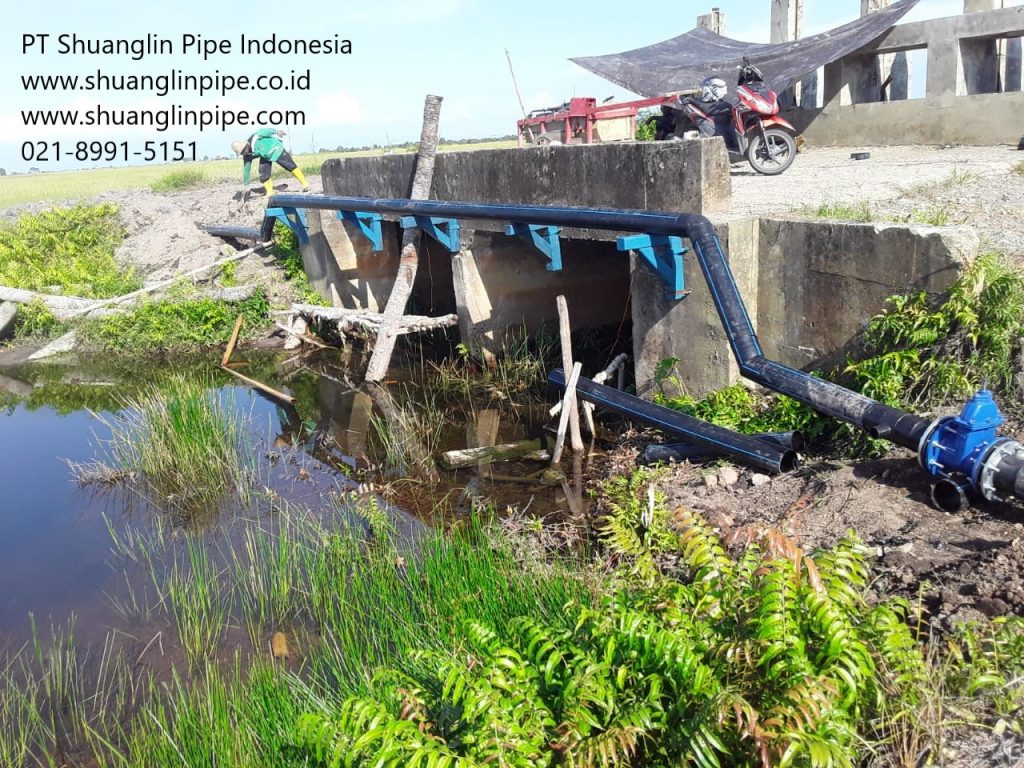
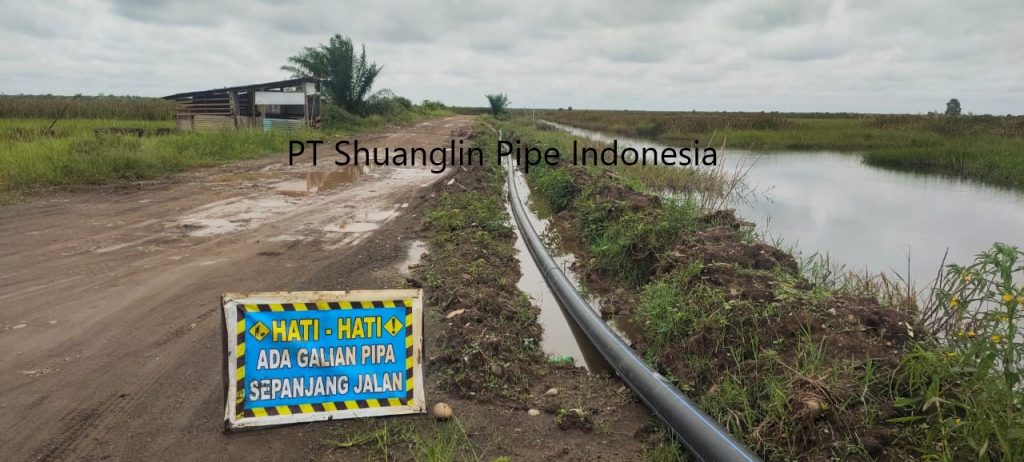
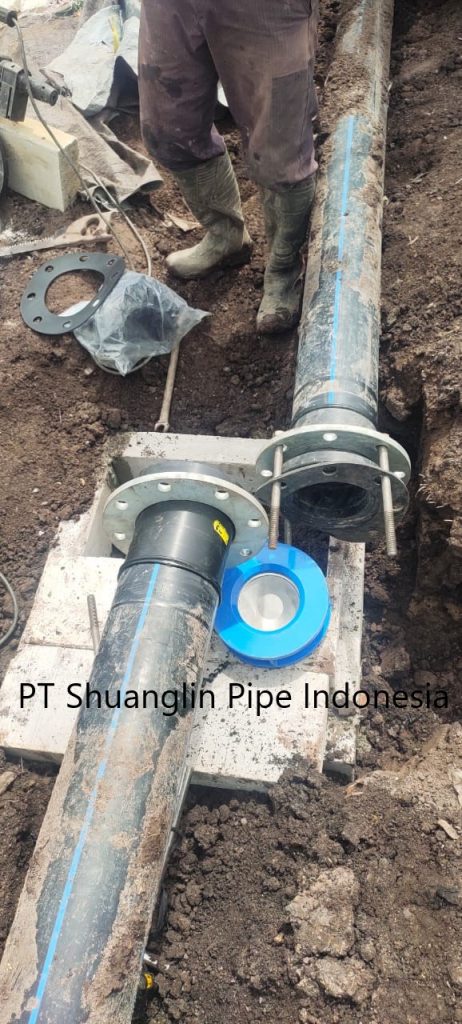
HDPE SOLID WALL OD160 PN6.3, HDPE SOLID WALL OD110 PN6.3 SEBAGAI PIPA AIR BERSIH, PIPA AIR LIMBAH, KALIMANTAN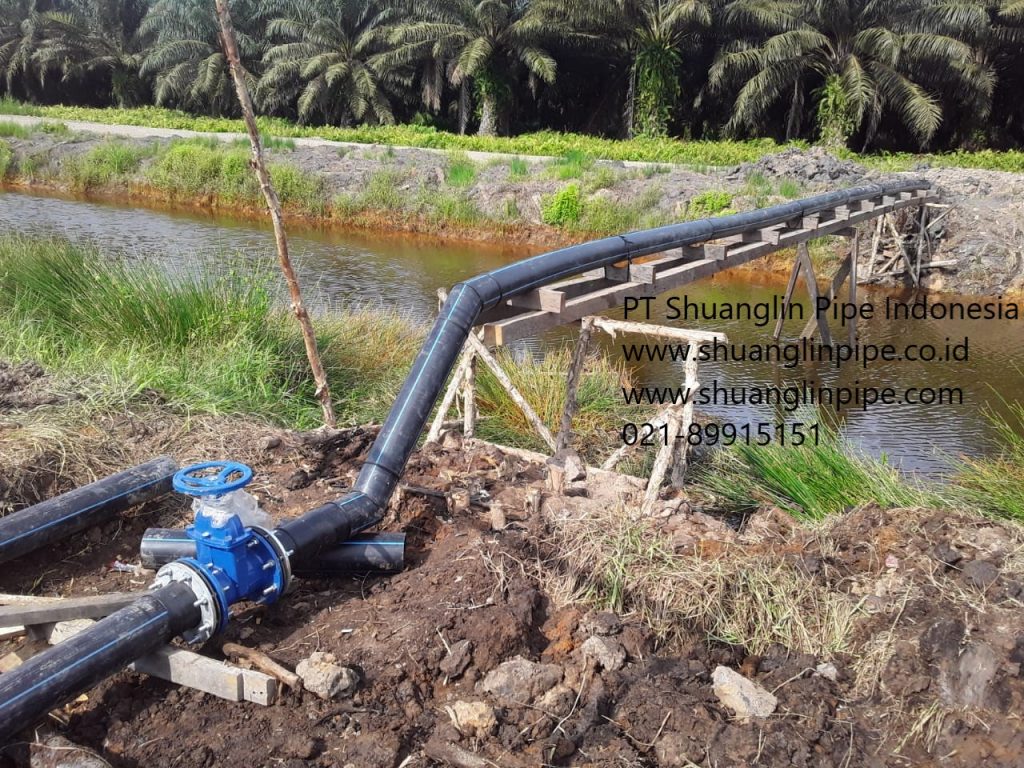
Greg Scoby, PE
# 2021 Amsterdam
This paper will detail the steps taken during adoption of HDPE for potable water systems improvements including material justification, creation of related specifications, investigation of available piping components, qualification of contractors and the construction/inspection of related systems.
The City of Palo Alto, California, USA adopted HDPE as the primary material for water distribution in 2010. This adoption was implemented in an accelerated water main replacement program initiated in 1994. The accelerated infrastructure program lowered the level of replacement from 233 years to 77.6 years which is well within the anticipated useful life of HDPE materials (100 years minimum). This paper provides a historical account of the City’s Utilities Department along with statistics of the systems composition. Several construction projects involving the exclusive use of HDPE are included.
Approximately 10 years ago, the City of Palo Alto made the decision to convert to HDPE for potable water distribution. This decision was based on the experience gained with the exclusive use of polyethylene for natural gas distribution made in the late 1980s. Several factors were considered to support this conversion. The major driving force was the leak free performance of a monolithic self-restraining system provided by fused connections. Other factors guiding this decision included the projected life of the material, minimizing corrosion failure associated with buried metallic components, ability to install piping with trenchless construction methods to minimize installed cost and customer inconvenience and the need to construct a resilient distribution system capable of remaining in service during and after seismic events. The San Andreas Fault traverses Palo Alto. In the early 1990s, utility department staff convinced Council members of the need to increase replacement levels associated with the water, gas and wastewater systems. An accelerated infrastructure replacement program was funded and additional engineering staff hired to focus on the design and construction of all three mentioned systems. In 2009, staff started the revisions of the existing standards Copyright © 2021 by (Greg Scoby, PE, Crossbore Consultants, Gregs@CrossboreConsultants.com)and construction documents for the water system and joined the Plastics Pipe Institute Municipal Advisory Board and the American Water Works 263 Polyolefin Committee (responsible for polyethylene standards) to ensure the newly created HDPE specifications represented the best practices.
Staff utilized past experience gained during natural gas projects to implement the use of trenchless construction methods for potable water system replacement. The first HDPE project, Water Main Replacement 21/22, was constructed over the 2010/2011 fiscal year with main sizes ranging from 8 inch (200 mm) through 16 inch (400 mm) encompassing a total 31,680 linear feet (9.7 km) of mains. Construction was performed by a polyethylene qualified contractor utilizing both trenchless and open cut construction methods. Based on the success of this project, full adoption of HDPE for water, including mains and services, was made for all system extensions and improvements/replacements. HDPE is currently the primary material specified by the City for potable water distribution.
https://www.pe100plus.com/PPCA/HISTORY-OF-HDPE-USE-AT-THE-CITY-OF-PALO-ALTO-FOR-POTABLE-WATER-DISTRIBUTION-p1792.html

PT SHUANGLIN PIPE INDONESIA is a joint venture subsidiary of Zhejiang Shuanglin Environment Co., Ltd. Our factory is located in CIKARANG, Indonesia. The plant covers an area of 4,000 square meters. Our company has introduced advanced production line and a professional production management team. The company mainly produces municipal and residential building water supply and drainage, sewage pipes and complete sets of systems. The product line includes HDPE/PP double-wall corrugated pipe and inspection wells for pipeline connection and other accessories.
KAWASAN INDUSTRI DELTA SILICON 5 JL.KENARI BLOCK G.1 NO.28A-B LIPPO CIKARANG CIBATU CIKARANG SELATAN KAB BEKASI JAWA BARAT
PT SHUANGLIN PIPE INDONESIA
(NEW PLANT KITIC)
Jl. Anggrek VII, Kavling No.26 Kawasan Industri Terpadu Indonesia China (KITIC ) Deltamas, Desa Nagasari. Kec. Serang Baru. Kabupaten Bekasi. Jawa Barat 17330
(021) 89915151
info@shuanglinpipe.co.id