by

DRAINAGE HANDBOOK STRUCTURAL DESIGN PROCEDURE FOR CORRUGATED POLYOLEFIN PIPE

Joe Babcanec, P.E., Dan Currence, P.E.

# 2021 Amsterdam

The newly released Drainage Handbook provides complete guidance on corrugated polyolefin pipe. Perhaps the biggest contribution this new handbook makes to the advancement of both HDPE and PP corrugated plastic pipe is the design procedure presented. The design procedure reflects the industry’s recommended practice for using the American Association of State Highway Transportation Officials (AASHTO) Load and Resistance Factor Design (LRFD) Bridge Design Specifications [2] methodology currently utilized for bridge design by Departments of Transportation (DOTs) in the United States. The LRFD procedure utilizes numerous load and resistance factors in the design process to evaluate the performance of buried pipe as various limit states are evaluated. The result is a very comprehensive design analysis with multiple layers of conservativism built into the results. In the drainage handbook, the industry applied the LRFD design methodology that most accurately reflects how corrugated plastic pipe is installed in North America. The companion document to the Structural Design chapter, the Design Guide, walks an engineer through the detailed calculation procedure for two unique pipe design scenarios.

https://www.pe100plus.com/PPCA/DRAINAGE-HANDBOOK-STRUCTURAL-DESIGN-PROCEDURE-FOR-CORRUGATED-POLYOLEFIN-PIPE-p1782.html

by

TESTING SPOOLABLE REINFORCED FLEXIBLE PIPES AND LINER MATERIAL FOR HIGH-PRESSURE HYDROGEN TRANSPORT

Sjoerd Jansma, Peter Cloos, Ernst van der Stok

# 2021 Amsterdam

This paper describes two different test methods used to determine the permeation rate of hydrogen through a reinforced thermoplastic pipe (RTP) system with a HDPE liner pipe and a gas-tight layer at a pressure of 42 bar(g) hydrogen and ambient temperature. One method involThe results of the aforementioned tests have been combined with existing certifications, which has led to a covenant between the certification agency and producer. Based on this covenant, the actual application of RTP as the backbone of a hydrogen gas network in the northern Netherlands will be established.ved combining the permeation resistance of each individual layer, while the other involved determining the permeation rate of the entire pipe (with an outside diameter of 150 mm), including the inline couplers and end fittings. The two permeation rates obtained for the pipe correspond very well, and are extremely small in comparison to the permeation of hydrogen through a solid wall PE pipe.

This paper also describes the chemical resistance check, which confirms that the piping materials are suitable for the intended application. In this test, the individual pipe materials were immersed in a 42 bar(g) hydrogen environment for 95 days, after which no significant change in mechanical properties, weight or volume were observed.

The results of the aforementioned tests have been combined with existing certifications, which has led to a covenant between the certification agency and producer. Based on this covenant, the actual application of RTP as the backbone of a hydrogen gas network in the northern Netherlands will be established.

https://www.pe100plus.com/PPCA/TESTING-SPOOLABLE-REINFORCED-FLEXIBLE-PIPES-AND-LINER-MATERIAL-FOR-HIGH-PRESSURE-HYDROGEN-TRANSPORT-p1800.html

by

NEW CROSSLINKED POLYETHYLENE PIPES WITH HIGH THERMAL STABILITY AND LOW PERMEATION FOR PETROLEUM ENGINEERING

NEW CROSSLINKED POLYETHYLENE PIPES WITH HIGH THERMAL STABILITY AND LOW PERMEATION FOR PETROLEUM ENGINEERING


Gisbert Rieß, Katrin Berger, Anna Kaltenegger-Uray, Florian Arbeiter

# 2021 Amsterdam

The effect of electron-beam and silane crosslink of polyethylene on the resulting permeation characteristics was investigated. Polyethylene sheets were processed and crosslinked by irradiation with high energy electrons and by grafting and subsequent hydrolysis of organosilanes during a reactive extrusion process. The formation of a network structure was characterized by sol/gel analysis. It was demonstrated that the crosslink density increase with the irradiation energy and has an optimum with 4 phr silane. The permeation properties were assessed by a gravimetric method. It was demonstrated that – as a result of the crosslink process – the permeation of low molecular weight hydrocarbon such as n-octane through polyethylene is reduced with respect to the crosslink density. Additionally, to bypass limitations of the gravimetric method a new measuring method based on gas-chromatography-mass-spectroscopy (GC-MS) technique was developed. The main advantages of the newly developed system were demonstrated by test measurements of filled PE pipes. The comparison of the calculated permeation rates of tested hydrocarbons using both measuring methods showed a good accordance of the results. With this new GC-MS method pipes can also tested in the field.


https://www.pe100plus.com/PPCA/NEW-CROSSLINKED-POLYETHYLENE-PIPES-WITH-HIGH-THERMAL-STABILITY-AND-LOW-PERMEATION-FOR-PETROLEUM-ENGINEERING-p1774.html


by

RESTRAINED MECHANICAL JOINING DEVICES FOR HDPE PIPE: PERFORMANCE CHARACTERISTICS AND TEST PROTOCOL

Justin Brandt, Mike Griffin, Tony Cuvo

# 2021 Amsterdam

As plastic pipe gains share in new markets and applications, additional joining methods add further value, enabling continued growth for plastic pipes. To date, definitions of a “fit-for-purpose” mechanical joint for High Density Polyethylene (HDPE) pressure piping systems can vary significantly. As such, mechanical joints are typically undifferentiated from each other even though different manufacturers offer a range of products that provide a wide range of pressure capability and restraint perform ance. This presentation will lay out the industry standards used to define test protocols for determining the performance of a self-restrained mechanical joint for HDPE pressure pipe. This will provide a better appreciation of how self-restrained mechanical joints perform relative to what is commonly practiced in the industry. This presentation will also highlight the differences between various categories of mechanical joints to further educate the audience on restrained joint performance versus unrestrained joint performance. Further evaluation was conducted to explore mechanical joint performance relative to incumbent joining solutions: butt fusion and electrofusion. The audience will come away with a deeper appreciation of the technology behind restrained mechanical joining devices within the plastics market, how they can be misunderstood and why they are integral in the continued growth of this industry.

article source:https://www.pe100plus.com/PPCA/RESTRAINED-MECHANICAL-JOINING-DEVICES-FOR-HDPE-PIPE-PERFORMANCE-CHARACTERISTICS-AND-TEST-PROTOCOL-p1783.html


Switch The Language
    × Contact Us!

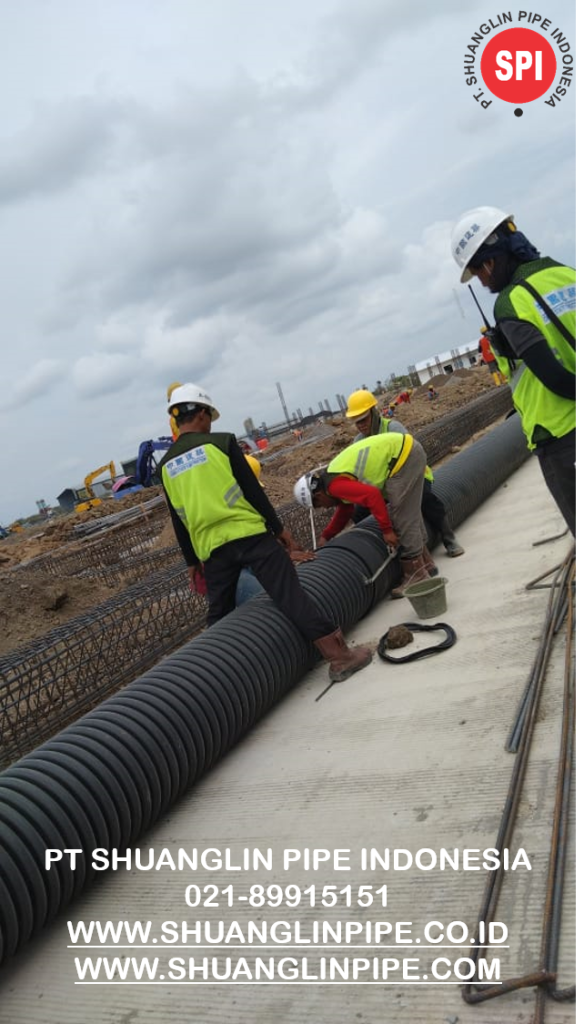
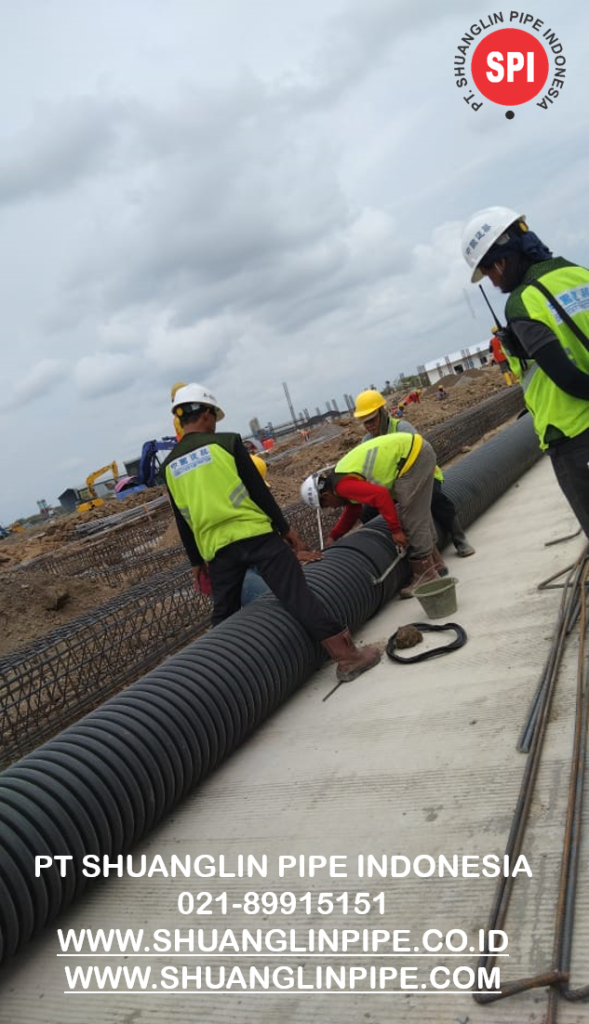
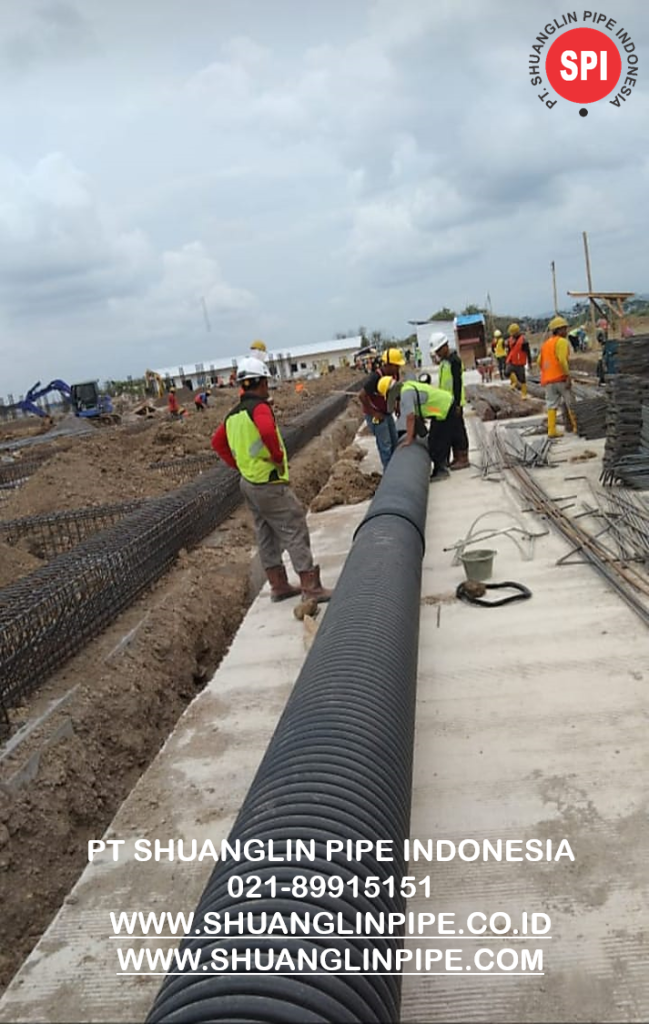
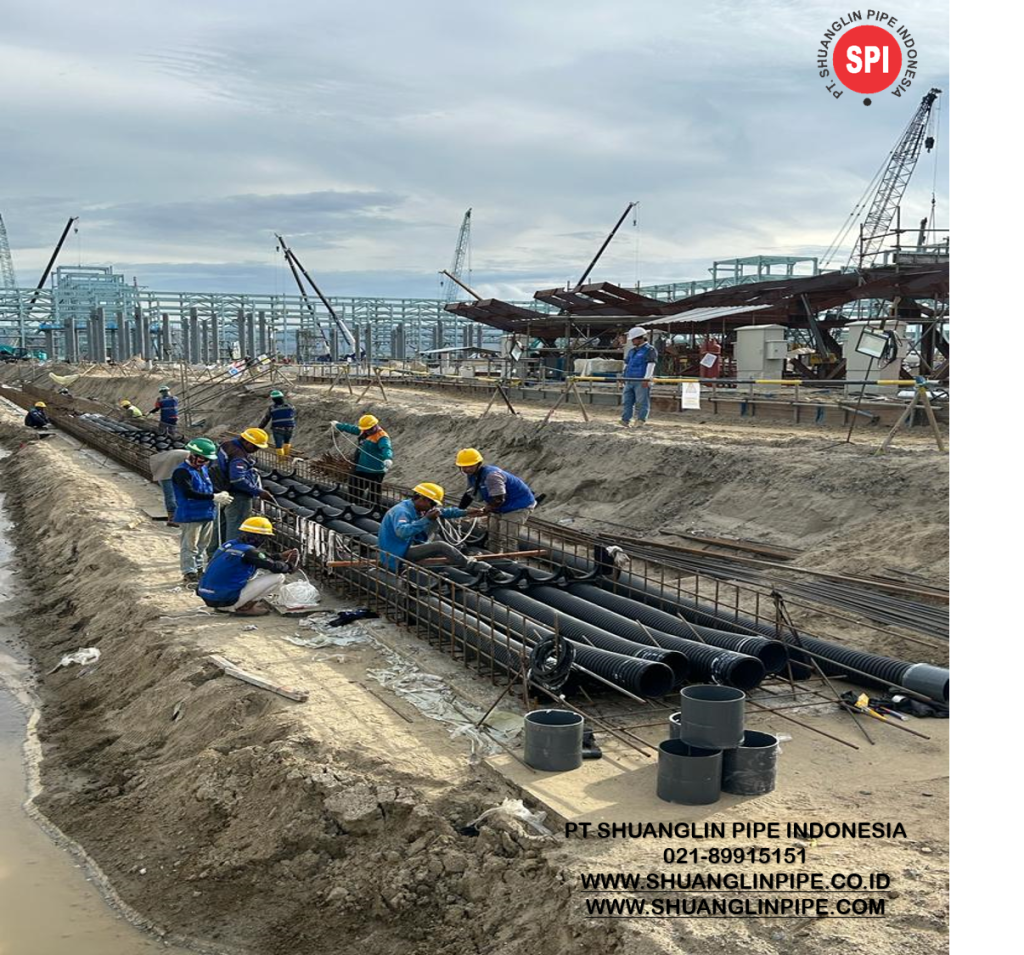
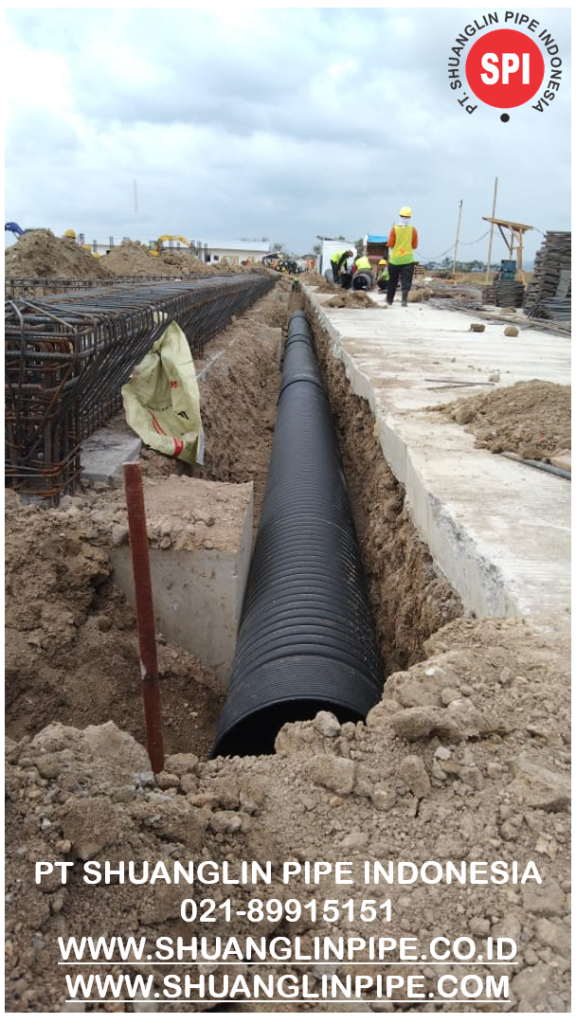
    PT SHUANGLIN PIPE INDONESIA is a joint venture subsidiary of Zhejiang Shuanglin Environment Co., Ltd. Our factory is located in CIKARANG, Indonesia. The plant covers an area of 4,000 square meters. Our company has introduced advanced production line and a professional production management team. The company mainly produces municipal and residential building water supply and drainage, sewage pipes and complete sets of systems. The product line includes HDPE/PP double-wall corrugated pipe and inspection wells for pipeline connection and other accessories.

    ADDRESS

    KAWASAN INDUSTRI DELTA SILICON 5 JL.KENARI BLOCK G.1 NO.28A-B LIPPO CIKARANG CIBATU CIKARANG SELATAN KAB BEKASI JAWA BARAT

    ADDRESS

    PT SHUANGLIN PIPE INDONESIA
    (NEW PLANT KITIC)
    Jl. Anggrek VII, Kavling No.26 Kawasan Industri Terpadu Indonesia China (KITIC ) Deltamas, Desa Nagasari. Kec. Serang Baru. Kabupaten Bekasi. Jawa Barat 17330

    PHONE

    (021) 89915151

    EMAIL

    info@shuanglinpipe.co.id